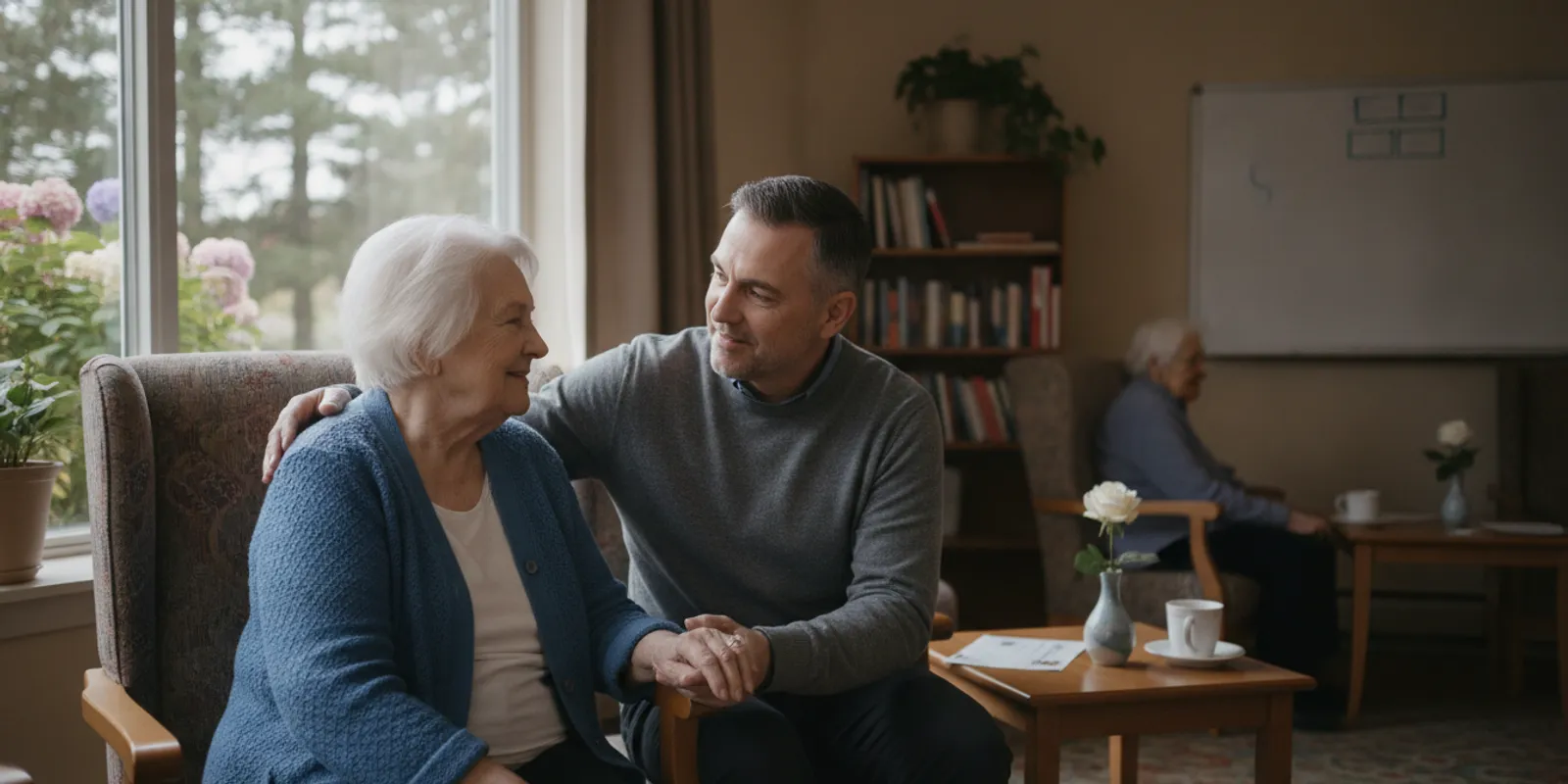

When a parent or another loved one lives in long-term care, signs of injury, poor hygiene, missed medication, or sudden changes in health can leave a family worried and unsure what to do. If you are searching for a nursing home negligence lawyer in Ontario, you may be trying to protect the resident while figuring out whether a preventable failure in care caused harm. This guide explains practical next steps and how a potential negligence claim is assessed.
Contact Hoffman Law for a free consultation
What is nursing home negligence and when does it rise to legal liability in Ontario?
A troubling event at a long-term care home does not automatically prove negligence. A resident may become ill or fall even when appropriate care is provided. A legal claim generally requires evidence that an organization or person responsible for care failed to meet an applicable standard, that the failure caused or contributed to injury, and that the resident suffered loss. The evidence and applicable law matter in each case.
Long-term care homes have responsibilities under Ontario law, including the Fixing Long-Term Care Act, 2021 and its regulations. The law sets requirements for care, safety, and residents’ rights. Families can consult Ontario’s official website for general long-term care information and complaint resources. A family’s concern may also involve questions about the resident’s care plan, staffing and supervision, how the home responded to a known risk, or whether an incident was reported and followed up.
Liability is not determined by a single symptom or by the fact that an adverse event occurred. A legal review looks at the circumstances before, during, and after the event. For example, if a resident with a documented risk of falling is injured, the relevant questions may include what precautions were planned, whether they were followed, what staff knew at the time, and whether the response after the fall was appropriate. An assessment must also consider other possible causes of the resident’s condition.
Families looking at a broader injury issue may also find our overview of legal rights after a motor vehicle accident helpful as general context, although the rules and facts differ between claims. For issues specific to care in a facility, see what a nursing home negligence lawyer does.
What types of nursing home abuse and neglect may support a claim?
Neglect means a failure to provide care or assistance a resident needs. Abuse can include conduct that harms or threatens a resident. Concerns may arise from one serious incident or a pattern over time. The following examples are warning signs to investigate, not proof on their own that a home or caregiver is legally responsible.
| Concern | What a family may observe | Useful details to record |
|---|---|---|
| Falls or inadequate supervision | Unexplained bruises, repeated falls, or a change in mobility | Date and location, known fall risks, care-plan precautions, witnesses, and the home’s response |
| Pressure injuries or skin problems | A new or worsening sore, redness, pain, or signs of infection | When it was first noticed, how it changed, treatment provided, and what the family was told |
| Medication or treatment concerns | A missed or incorrect dose, delayed treatment, or an unexpected change in condition | Medication or treatment information available to the family, symptoms, notifications, and follow-up |
| Nutrition, hydration, or personal care | Unexplained weight change, dehydration concerns, soiled clothing, or unmet hygiene needs | Observed changes, dates, meals or care concerns raised, and responses received |
| Abuse, unsafe interactions, or loss of dignity | Fearfulness, distress around a person, unexplained injuries, or reports of mistreatment | The resident’s own words where possible, observed behaviour, dates, people notified, and any immediate safety steps |
Some problems have more than one possible explanation. A pressure injury, for instance, may develop in a person with complex medical needs even when staff take precautions. The key questions include what risks were known, what care was required, what was actually done, and whether a delay or omission contributed to harm. Do not try to diagnose the cause from appearance alone; ask for a clinical assessment when the resident may need care.
Falls deserve particular attention because they can cause fractures, head injuries, or a decline in confidence and mobility. If a resident suffers a head injury, medical assessment should take priority over collecting documents. For background on head injury issues, read about traumatic brain injuries in Ontario and brain injury claims. Those pages do not determine whether a particular care home was negligent.
Patterns can be as important as individual events. A single missed care task may have little context on its own; repeated missed meals, recurring falls, or ongoing skin breakdown may prompt questions about whether a known risk was reassessed and whether the plan was being carried out. Families can describe each event separately and then note any recurring features, such as similar times of day, locations, or unanswered requests. This creates a clearer account without drawing conclusions before records and medical information are reviewed.
What rights do nursing home residents have in Ontario?
Ontario’s long-term care framework recognizes residents as people with individual needs, preferences, and rights—not simply as recipients of services. Rights include being treated with dignity and respect, being protected from abuse, and having privacy and a say in matters affecting care, subject to the law and the resident’s circumstances. Homes must also meet legal requirements for care and safety. The precise application of a right or duty depends on the facts, the legislation, and any relevant care arrangements.
Where it is safe to do so, families can raise concerns with the home’s staff or administration and ask for a clear explanation of the care plan and what steps will follow. A resident who can participate should be included in discussions in a way that respects their wishes and communication needs. If the resident has a substitute decision-maker, clarify who is authorized to make which decisions. Keep the conversation focused on the resident’s immediate needs and request that important concerns and responses be documented.
It may help to ask for a care-plan discussion rather than relying on a brief hallway exchange. Prepare a short list of specific observations and questions: what changed, when it began, what assistance the resident needs, and what the home plans to do next. Ask who will monitor the issue and when the family should expect an update. If the plan changes, record the date and the reason provided. This approach helps everyone focus on practical care steps and makes it easier to identify whether the concern is being followed up.
If a resident may be in immediate danger or needs urgent medical attention, seek emergency help first. For a non-emergency but serious care concern, ask the home how to make a formal complaint and what protective measures are being taken. Families may also consult Ontario’s official long-term care information and complaint resources. A complaint or inspection process is separate from a civil claim; one does not, by itself, decide legal responsibility or compensation.
How can you investigate and document possible nursing home negligence?
Families often have to act while a loved one is unwell and while emotions are high. A simple, organized record can help you communicate clearly with the care team and preserve facts for later review. You do not need to prove a claim before reporting a concern or asking questions.
- Address safety and medical needs first. Request an assessment from an appropriate health professional if the resident has a new injury, worsening symptoms, pain, or a sudden change. If there is immediate danger, contact emergency services.
- Write a timeline. Note when you first noticed a problem, what the resident said, what you observed, who you contacted, and the response. Record dates and names or roles where known. Separate what you saw directly from what someone else told you.
- Take careful photographs when appropriate. With respect for the resident’s dignity and privacy, photographs may help show an injury or changing condition. Do not delay treatment to take pictures, and avoid sharing sensitive images publicly or with people who do not need them.
- Keep relevant communications. Save emails, letters, complaint references, and notes from calls. After an important conversation, write down the date, participants, and agreed next steps. Ask for confirmation in writing when that would help avoid misunderstanding.
- Ask about records and the care plan. Request information through the appropriate process and clarify what records are available, who may request them, and whether authorization is needed. Records may include assessments, care plans, incident documentation, medication information, and communications, depending on the circumstances and applicable privacy rules.
- Preserve items that may matter. Keep relevant clothing, equipment, or other physical items if safe and practical. Do not alter them. Make a note of where they came from and when they were preserved.
- Identify people with firsthand knowledge. Note the names or roles of staff, visitors, or other witnesses who may have seen relevant events. Avoid pressuring the resident or others to adopt a particular account.
- Get advice before making major decisions about a claim. A lawyer can help identify the information needed, explain possible options, and consider how to protect the resident’s interests. Do not assume that a complaint, conversation, or internal review pauses any legal time limit.
A timeline is most useful when it is specific and neutral. Instead of writing “the home ignored us,” record the date and time you raised the concern, the person or role you spoke with, the words used as accurately as you can recall, and what happened afterward. If you do not know an exact time, mark it as approximate. Keep original messages and documents, and store copies somewhere the family can access if one person is unavailable.
When requesting records, explain your relationship to the resident and ask what proof of authority or consent is needed. The home may have to follow privacy requirements before releasing information. If the resident can make their own decisions, involve them in the request where appropriate. If information is not provided, keep the response and ask what process is available to review or clarify the request rather than assuming the refusal proves wrongdoing.
Families sometimes worry that asking questions will harm a relationship with the home. You can keep your requests calm, factual, and centered on care: describe the concern, ask what happened, request a plan to address it, and keep a record of the response. If the explanation is unclear or the resident’s condition continues to worsen, consider escalating the concern through appropriate channels and seeking independent advice.
When the suspected harm followed a fall, details about the location and circumstances may also matter. Our guides to why early details matter in a slip and fall and making a claim after a fall discuss general evidence considerations. A fall inside a care home involves its own factual and legal analysis, so those resources are not a substitute for advice about the resident’s situation.
What may happen when a family raises a concern?
The next steps depend on the concern and the resident’s needs. The home may investigate, review records, speak with staff, adjust the care plan, or take other steps. A family can ask who is responsible for follow-up, when to expect an update, and how any immediate risk will be managed. Keep copies of what you submit and note when a response is due.
If a response does not address the immediate concern, return to the central questions: Is the resident currently safe? Has a clinician assessed the change or injury? What interim steps are in place while the home reviews the issue? Ask for a clear contact person and a reasonable time for the next update. If the risk remains unresolved, consider using the home’s formal complaint process or appropriate external channels. The route depends on the concern and should not delay urgent medical care.
If the concern involves suspected abuse, a serious injury, or an inadequate response, families may need to consider more than one route. Internal reporting can help address care and safety, while an external complaint may bring the issue to a regulator’s attention. A civil negligence claim has a different purpose: it seeks a legal remedy for harm where the required elements can be established. The right path depends on the circumstances, and families should avoid assuming that one process replaces the others.
Injury-related coverage questions may also arise, depending on the resident’s circumstances and any insurance policies involved. If an insurer has denied a claim, our overview of challenging a denied insurance claim in Ontario explains general considerations. It is not specific to long-term care coverage, so check the actual policy and get advice about how it applies.
How does Hoffman Law support families in nursing home negligence cases?
Hoffman Law is a Toronto-based personal injury and disability firm serving clients throughout Ontario, including North York. In a potential nursing home negligence matter, a legal review may consider the resident’s injuries and needs, the available care and incident records, what risks were known, what steps were taken, and how the alleged failure may have affected the resident. The review is fact-specific; no particular result or amount of compensation can be promised.
Families may be trying to manage appointments, communicate with care providers, and support a loved one at the same time. A lawyer can explain what information may be relevant, discuss possible routes, and help the family understand the legal process. Hoffman Law offers free consultations and case evaluations and is available 24/7. The firm uses a contingency-fee approach; ask for a clear explanation of the fee agreement and any applicable terms during the consultation.
A first conversation can help a family organize what is known and what remains uncertain. It may be useful to have a brief timeline, the names or roles of people contacted, copies of available records, and a list of questions. Do not postpone urgent medical attention or a safety report while gathering documents. Even when records are incomplete, explaining the concern and the steps already taken can help clarify what information might be relevant next.
Contact Hoffman Law about a free case evaluation
Frequently Asked Questions
Does an injury in a nursing home automatically mean the home was negligent?
No. An injury can occur without negligence. A legal assessment considers the resident’s needs and risks, the care that should have been provided, what actually happened, whether any failure caused or contributed to the injury, and the resulting loss.
Can a family member bring a nursing home negligence claim?
The resident’s capacity, wishes, and legal circumstances affect who may make decisions or pursue a claim on their behalf. A substitute decision-maker may have authority for some matters, but that does not necessarily answer every question about a legal claim. Get advice based on the resident’s situation.
What if the home will not provide the records we requested?
Ask the home to explain its process, what authorization it needs, and how to make the request formally. Privacy rules and the resident’s capacity can affect access. Keep a copy of the request and response, and consider getting legal advice if important records remain unavailable.
Should we report a concern before speaking with a lawyer?
Protecting the resident’s health and safety comes first, and families can raise care concerns while also seeking legal advice. Reporting and a potential civil claim serve different purposes. If the resident needs urgent care, do not wait for a legal consultation.
Taking a careful record and asking direct questions can help a family move from uncertainty toward a clearer plan, while keeping the resident’s safety and dignity at the centre.